J and E Engineering Services Ltd.
Unit 32, Britannia Mill.
Stoneholme Road,
Crawshawbooth,
Rossendale,
Lancashire.
BB4 8BA




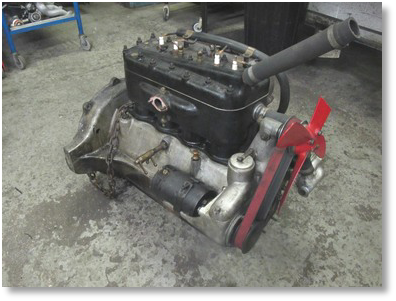


This 1929 Austin 12/4 engine was brought to us with low oil pressure and a severe knocking noise. The engine is a four cylinder twelve horse power, side valve engine. The crankcase is made from cast aluminium, and the cylinder block and cylinder head are made of cast iron. The camshaft, dynamo, magneto ignition and water pump are driven by a heavy duty timing chain & sprockets. Oil filtration is provided by internal gauzes and removable internal filter.

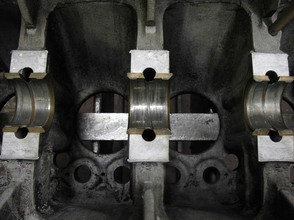
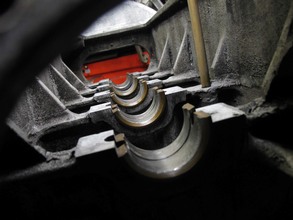
After stripping the engine down it was found that the crankshaft had suffered oil starvation and a big end bearing had failed completely and the main bearings had been damaged. This had been caused by the oil filter not being cleaned out during oil changes. In this particular engine the engine oil is picked up by the oil pump, supplied to the crankshaft and bearings and then filtered inside the crankcase before it returns back to the sump. This filter had become blocked with sludge and gunk and therefore restricted the flow of oil back to the sump and in turn starved the oil pump of engine oil.
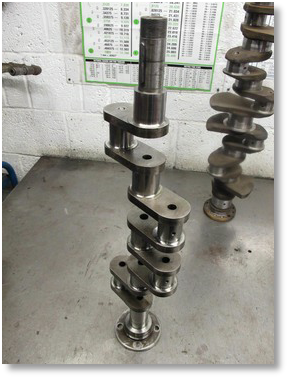


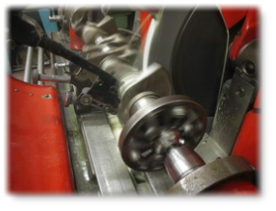
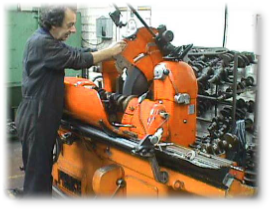
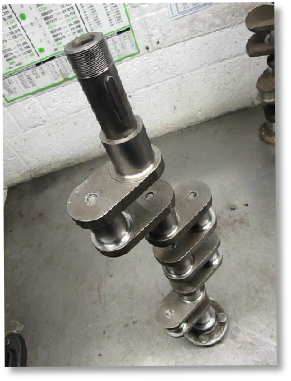
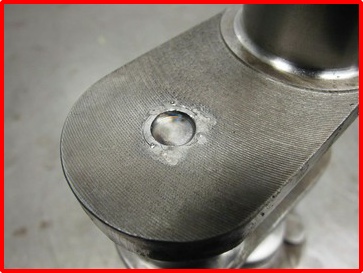

The crankshaft needed re-

Here the cylinder block and head can be seen being re-
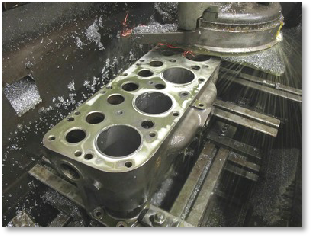
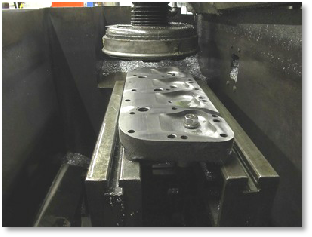

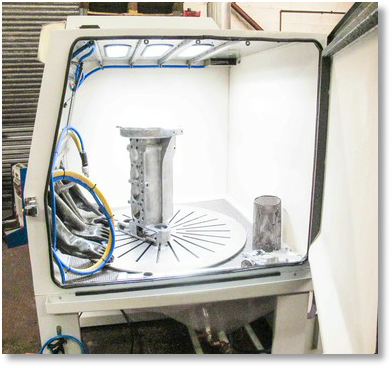
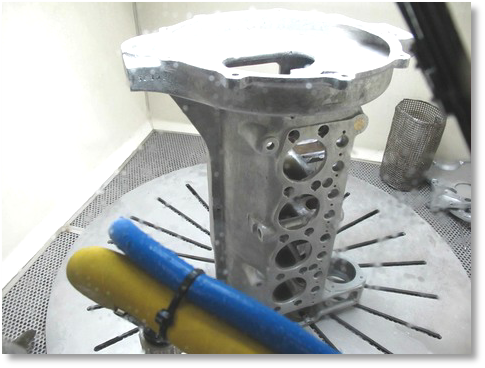

The crankcase was really dirty inside with eighty or so years of gunge and grime. We vapour honed it and all of the other parts to and as new finish.

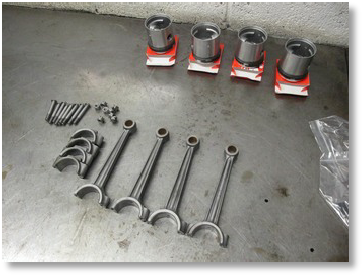
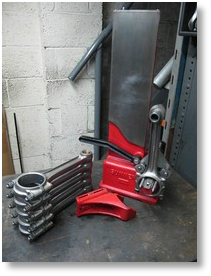
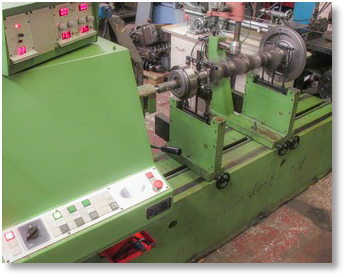
Connecting rods are checked for twist and bend before being match balanced. The crankshaft assembly was dynamically balanced. (See above).


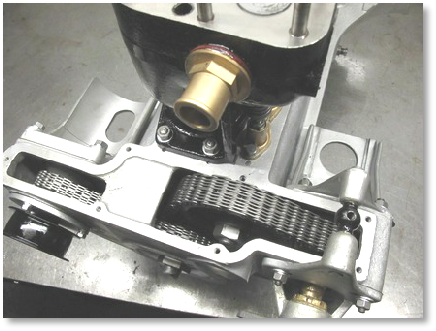


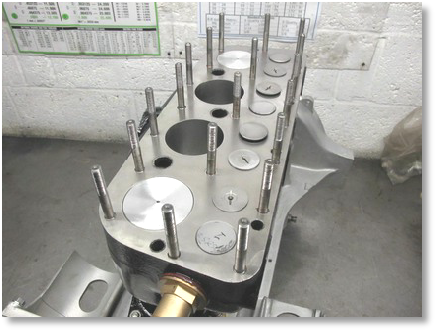

Its a privilege sometimes to be able to work on these old engines. Modern engines have much tighter tolerances, better materials, and are manufactured using improved machining and casting capabilities. The ideas and principals however are not. Take a look at these images of the engine during the assembly phase…. Quite amazing.